Vehicles
Specialty vehicle wraps in Charlotte
Food trucks, concession and enclosed trailers, charter boats, carts and yellow equipment all get wrapped, and all of them are inspected before a number goes on the work. The question on this class is never the shape. It is what the surface is made of, how it is treated day to day, and whether film will hold to it for years or for weeks. On some of these surfaces we will recommend not wrapping at all.
- Turnaround
- Confirmed at quote
- From
- Quote on request
Food trucks and concession trailers
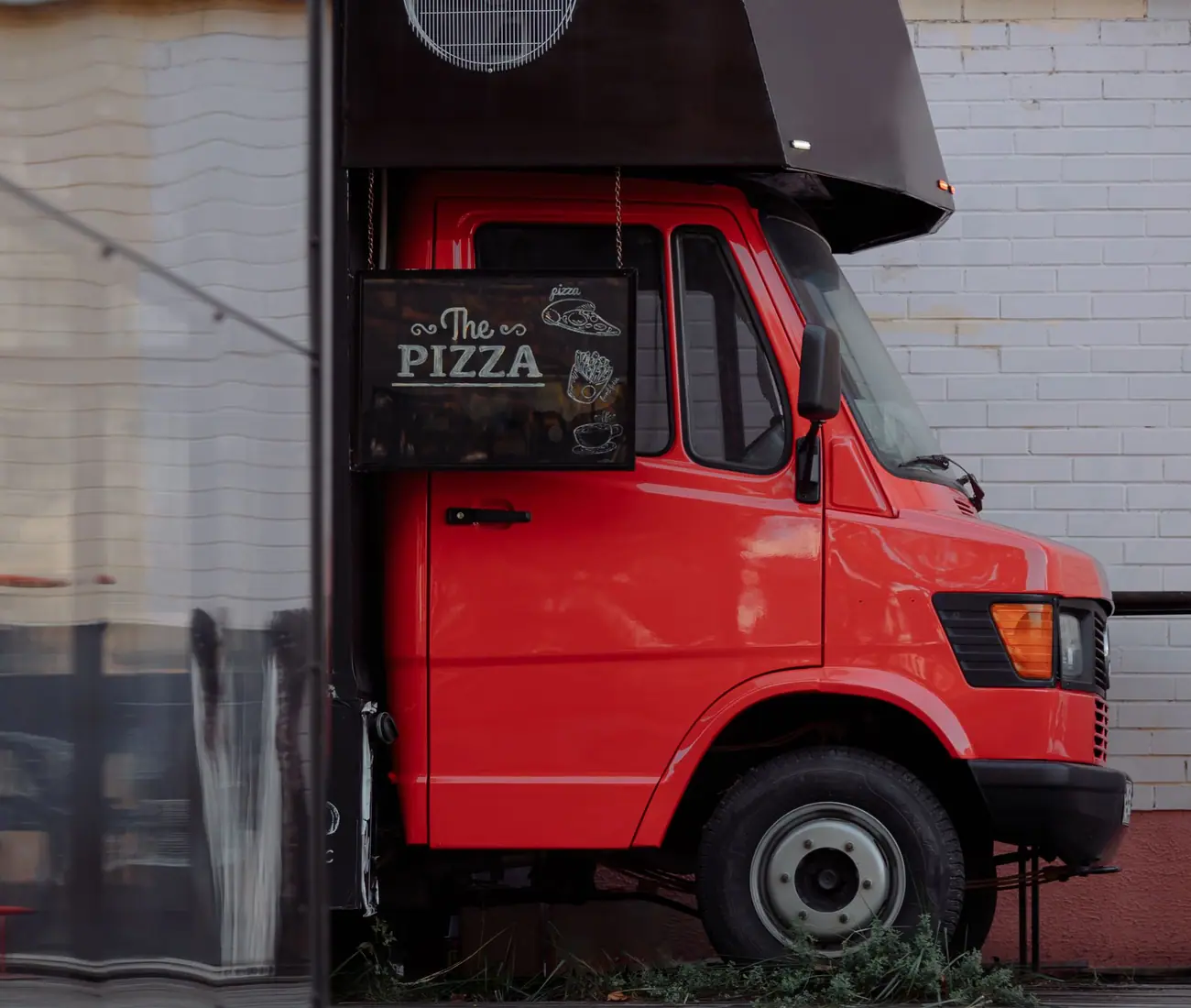
A food truck is a box body with openings cut into it and equipment bolted to the outside, and the openings shape the job. The serving hatch has a moving edge and a seal, so film finishes behind it rather than running across it. Propane lockers, water fills, exhaust vents and every stainless panel are hard stops, because film does not stay on stainless that gets hot and then gets degreased daily. The painted or fiberglass body is wrapped, the graphic is worked around the openings, and film is kept clear of anything that carries heat or meets a scrubbing brush twice a day.
Boats stop at the waterline
Hull sides above the waterline are wrapped and nothing below it. Film that sits in water fails, and no shop worth hiring will claim otherwise. Gelcoat has to be sound and stripped back properly first: old wax and polish are the most common reason a boat graphic lifts, and oxidized gelcoat needs attention before anything goes over it. Non-skid decking cannot be wrapped at all, because the texture is the entire function of it and film cannot key into it. A trailered charter boat that lives out of the water and gets rinsed is the good case here.
Enclosed trailers and equipment: what film will not do
A corrugated enclosed cargo trailer is the surface most often asked about and the one film handles worst. Vinyl bridges the ridges instead of bonding into the valleys, releases from the high points, and is failing from the day it is installed. Screwed-on panel seams cause the same trouble. Heavy equipment brings a different set of limits: weld seams, chipped paint, hydraulic weeping, and a working life spent scraping against material. We will put graphics on a skid steer, and we will say up front that it means flat cab panels rather than full coverage.
Carts, small equipment and one-off builds
Small does not mean quick. Golf carts, utility carts, ATVs, course and pit equipment and trade-show builds are all many small pieces with a great many edges and almost no run of open surface to move across. Parts frequently come off the machine to be wrapped individually, which accounts for most of the labor. Work in this class is quoted on hand time rather than area, and it is booked when the shop is not mid-fleet, because it needs patience rather than throughput.
On the vehicle
Film down, then heat
Every specialty vehicle wrap comes down to these two: film worked onto the panel by hand, and heat driven into every recess so it stays where it was put.
Films and finishes for specialty vehicle wraps
Specialty Vehicles questions
Can an enclosed cargo trailer be wrapped?
- If the sides are flat, yes, and they take film very well. If they are corrugated, we will usually say no. Vinyl bridges the ridges rather than bonding into them and starts releasing within weeks, and we would rather turn the work down than hand back something already failing.
How much of a boat can be wrapped?
- Everything above the waterline, provided the gelcoat is sound and fully stripped of wax and polish. Nothing below it, and no non-skid deck. Chalky, oxidized gelcoat needs work first, because film lifts wherever the surface under it is already breaking down.
Can a food truck graphic cover the serving window?
- No, and it does not run across the hatch seal either. The design finishes behind those edges so the hatch opens and closes cleanly. Film is also kept off stainless, vents, propane lockers and anything that meets a daily degreaser wash, because it will not stay there.
Can heavy equipment carry a wrap?
- Flat cab panels and door faces, yes. Full coverage on a machine that works, no. Weld seams, chipped paint, hydraulic weeping and constant contact with material all defeat adhesive, so coverage is planned as panels that can be replaced individually when the machine takes a knock.