Vehicles
Semi truck and trailer wraps in Charlotte
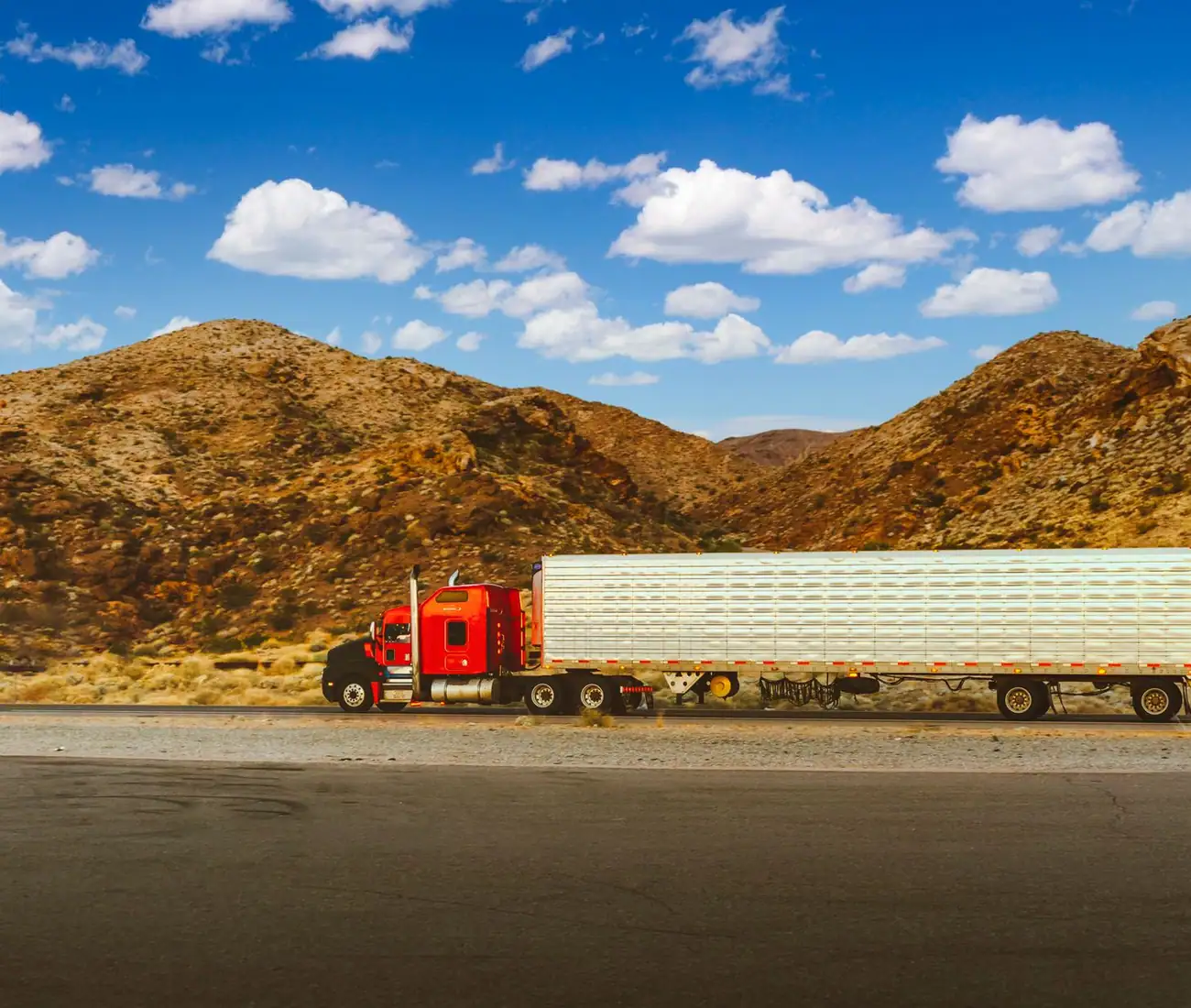
A tractor and a trailer are separate jobs that happen to travel together. The trailer is close to pure flat area, a 53-foot skin that carries a message farther than any other surface in commercial transport. The tractor is compound-curved fiberglass, chrome and fairings, and costs more in labor for less readable area. Most carriers start with the trailer, and many stop there.
- Turnaround
- Confirmed at quote
- From
- Quote on request
Skin construction drives the artwork, not the install
A smooth-side composite trailer is a continuous skin that takes printed panels cleanly end to end. A post-and-panel trailer is built differently. The skin is fastened to vertical posts every few feet, so the side carries repeating rivet lines and slight panel-to-panel steps from nose to tail, and those seams stay visible under a graphic. That is normal for the build, and the consequence is a design one: long horizontal rules, fine type and photographic detail all pull the eye straight to the seam pattern. Artwork for a post-and-panel unit is laid out in blocks that sit between the posts rather than running across them.
The scuff band and bottom rail take the damage
The lower band of a trailer absorbs dock bumpers, curbs, forklift contact and years of spray thrown off the drive tires. Many trailers carry a scuff band or a corrugated lower section there, which is a poor surface for film and a worse one for artwork that matters. The graphic normally stops above it and the band is left as it is. That also keeps the panel most likely to be damaged from carrying part of the company name. Anything that has to be read belongs in the upper two thirds of the side.
Conspicuity tape and required markings stay visible
The red-and-white reflective tape along the lower rail and across the rear of a trailer is a compliance item, not decoration, and a graphic cannot cover or obscure it. The same applies to rear marking plates and to carrier and unit numbering. All of it is designed around: the graphic terminates above the tape line, and any tape lifted for installation is replaced over the finished film. Marking obligations are confirmed with the carrier or the authority, and numbering is supplied before print rather than after.
Lease terms, and aluminum too cold to hold adhesive
Leased and pool trailers frequently restrict what may be applied to the skin, and a lessor who finds full coverage on a returned unit will bill for its removal, so we read the lease before anything is designed. Physically, a trailer has to come indoors and reach temperature before work starts, because aluminum that has sat outside on a cold Carolina morning will not hold adhesive. A unit straight off the road also needs a full wash and a solvent wipe to lift diesel film off the skin.
On the vehicle
Film down, then heat
Every trailer wrap comes down to these two: film worked onto the panel by hand, and heat driven into every recess so it stays where it was put.
Films and finishes for trailer wraps
Semi Trucks & Trailers questions
Should the tractor be wrapped as well?
- Not necessarily. The trailer is the surface other drivers actually read, and it is far cheaper per square foot. Tractors are curved, chromed and fairing-heavy, which raises labor and lowers readable area. Wrapped trailers behind plain tractors are common across carriers and read as deliberate.
Will the graphic cover our reflective tape?
- No. Conspicuity tape stays visible. The layout stops above it, and any tape lifted during installation is replaced over the finished film. It is a compliance item, so we do not treat it as something the design gets to negotiate with.
Can a leased or pool trailer be wrapped?
- Only once the lease terms have been checked. Many agreements limit what may be applied to the skin and bill removal back at return. Where full coverage is not permitted, cut lettering and removable panel graphics usually sit inside the terms and come off at turn-in without a dispute.
How long is a trailer in the shop?
- A full 53-foot unit holds a bay substantially longer than a job covering one side and the rear, and the booking is quoted against the unit in front of us rather than off a published figure. What is fixed is the condition: the trailer stays indoors and at temperature throughout, so this is not work that fits a weekend or happens in a yard between loads.