Process
How a job actually runs
Ten stations, in the order they happen. Most buyers take the whole run, but the pipeline is separable: a shop that owns installers and no press can stop at the dock, and a fleet that wants one number to call goes all the way to the bay.
Station by station
What does a vehicle wrap actually involve?
A wrap runs through ten stations, from a vehicle arriving in factory paint to the same vehicle back on its route. Six of those happen in the bay and are shown below; the other four are the ones nobody photographs and everybody feels later.
-
Arrival
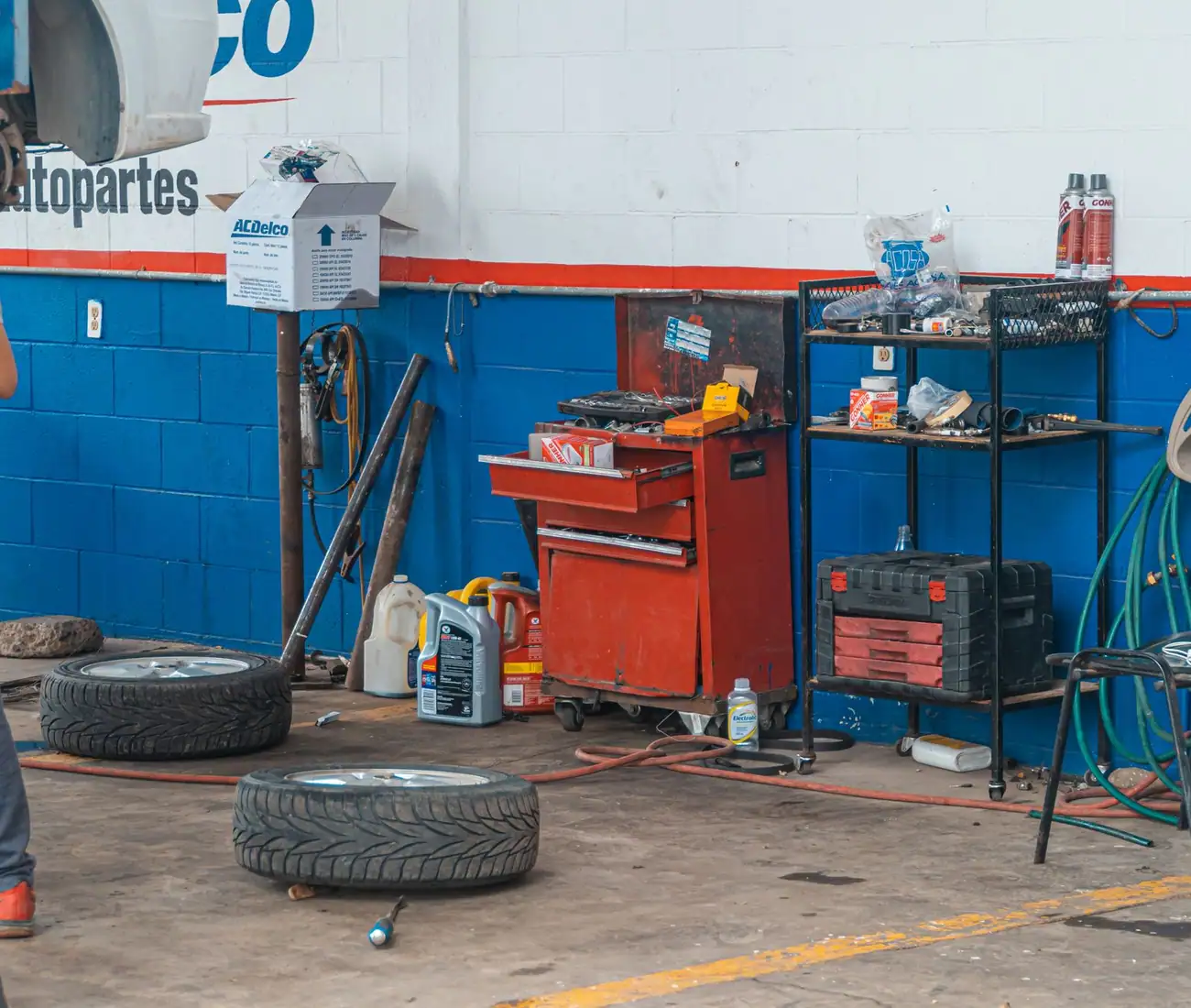
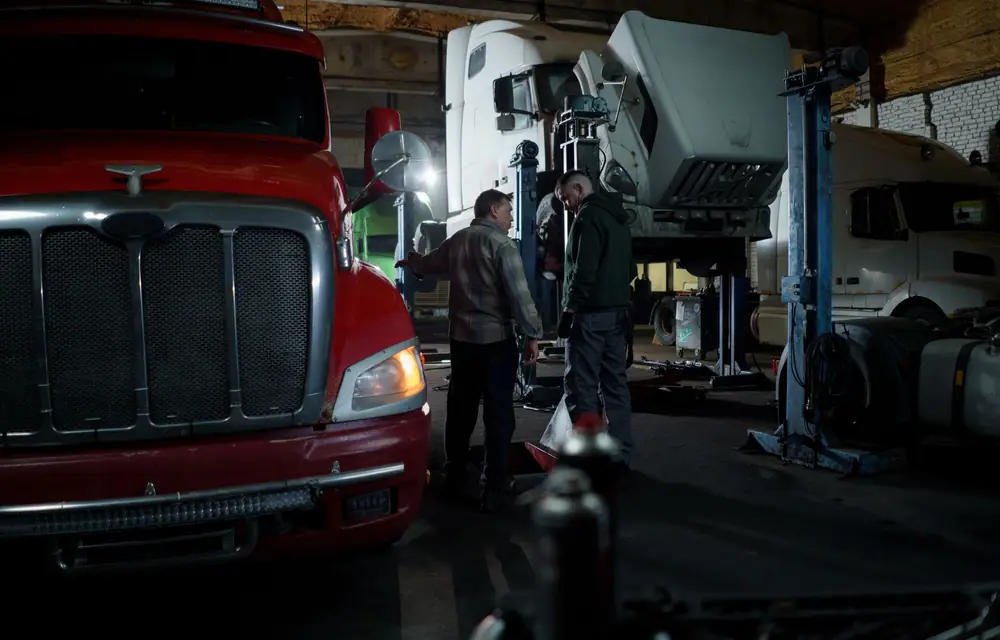
It arrives in factory paint
Commercial and fleet vehicles only, a van off a route, a box truck between loads. Sound factory paint is the surface film is designed for, and the condition of what is already on the panel decides whether any of the rest of this is worth doing.
- Commercial and fleet only
- Factory paint is the reference surface
-
Capture
Measured off the vehicle, not off a catalog
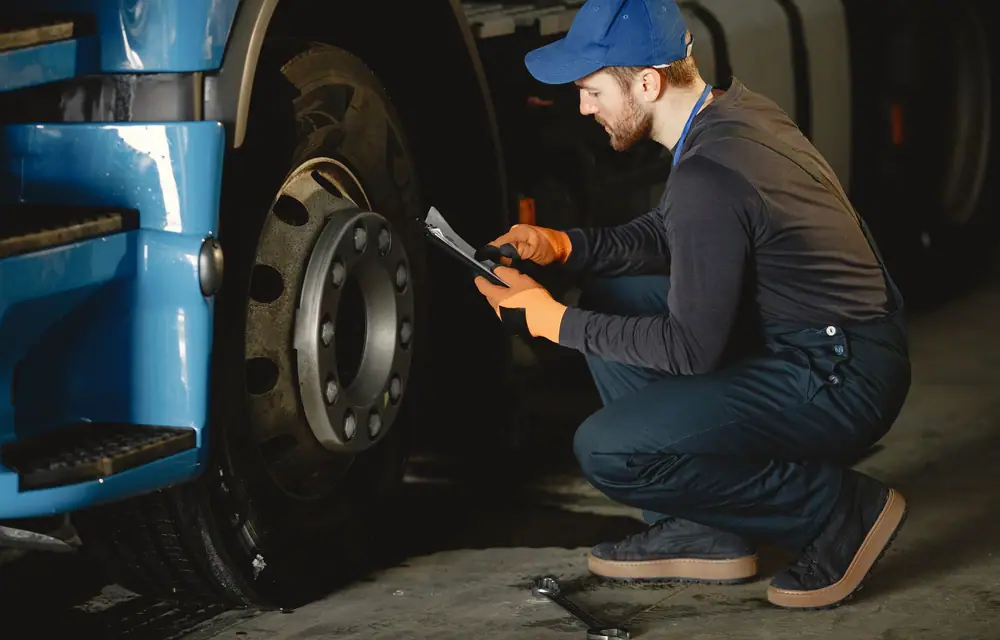
Year, make, model, wheelbase and roof height go on record, and panel measurements come off the actual unit. We treat a catalog template as a starting point and verify it, because trim levels move handle positions between model years.
- Both sides shot square-on
- Template verified against the unit
-
Prep
Film bonds to what is on the panel, not to the panel
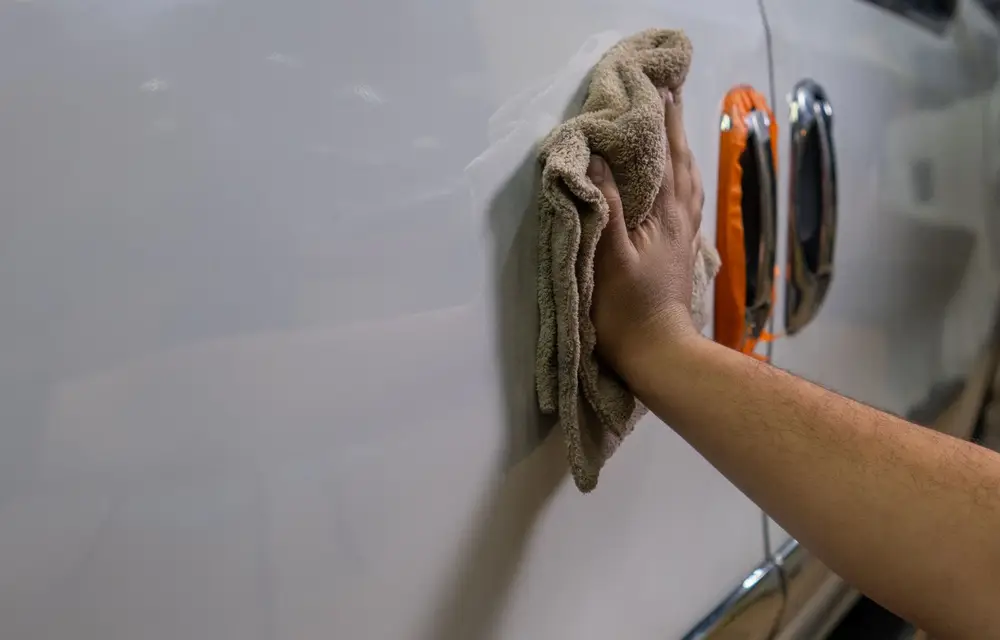
A vehicle off a route carries road film, diesel haze, wax and silicone from dressings, and film laid over any of it is bonded to a layer already letting go. Wash, degrease, a clay pass, then an alcohol wipe panel by panel.
- Hardware off, not cut around
- Alcohol wipe panel by panel
-
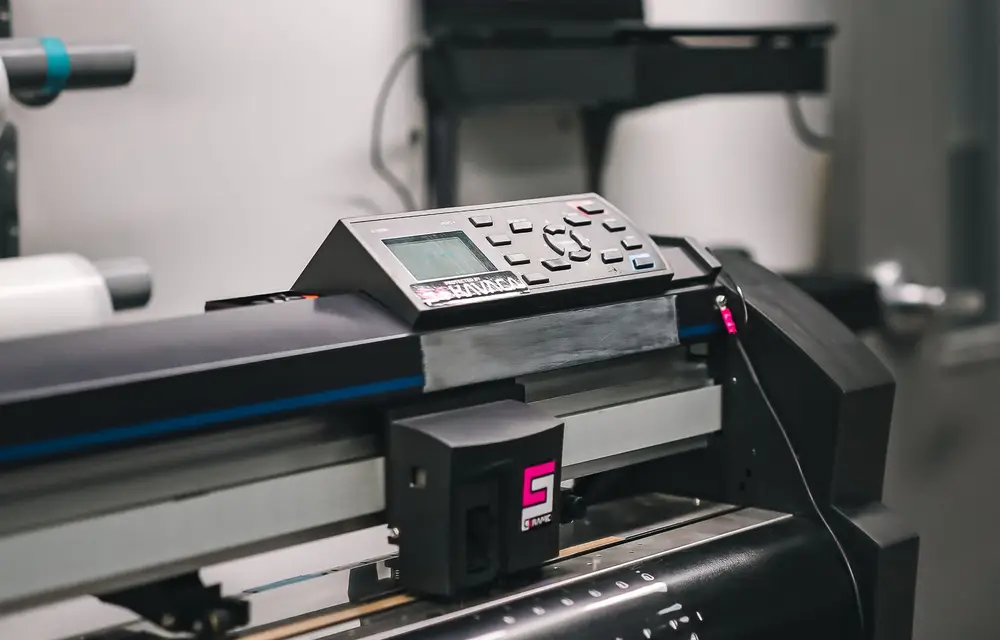
Print
Cast film carries no memory
Cast film is made by casting liquid PVC onto a moving web and letting it set without tension, so worked into a recess it stays where it was put. Calendered film holds the stress it was squeezed out under, and months later it pulls back out of the channel.
- Cast film, no built-in memory
- Proofed before the full length runs
-
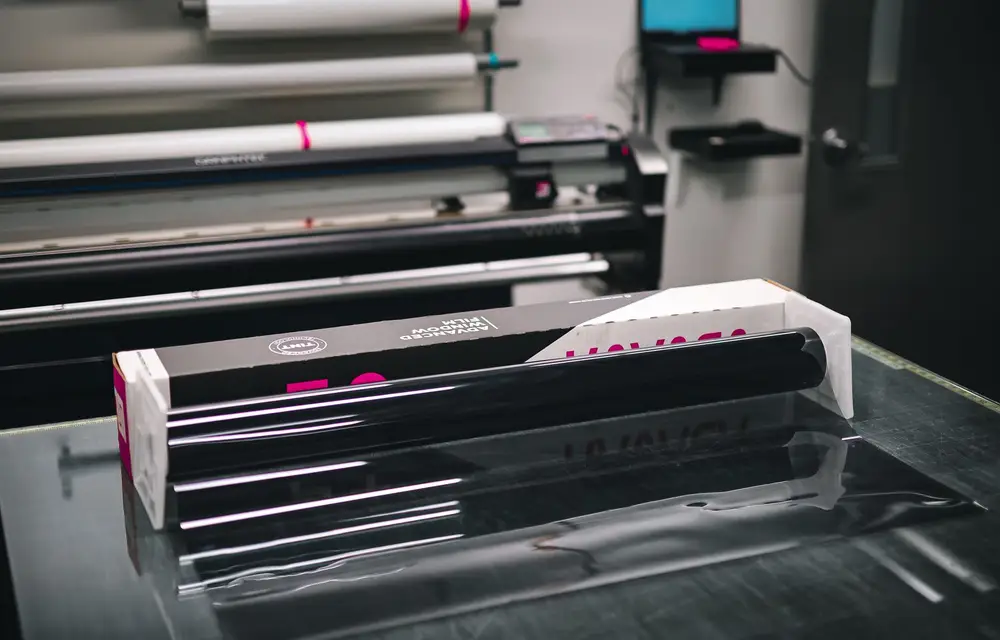
Laminate
What meets the weather is not the print
A cast overlaminate goes over the print before anything is trimmed, and it is what meets the UV, the wash brushes and the road grit. The ink underneath never touches any of them. Nothing leaves the building unlaminated.
- Cast overlaminate over every print
- Laminated before it is trimmed
-
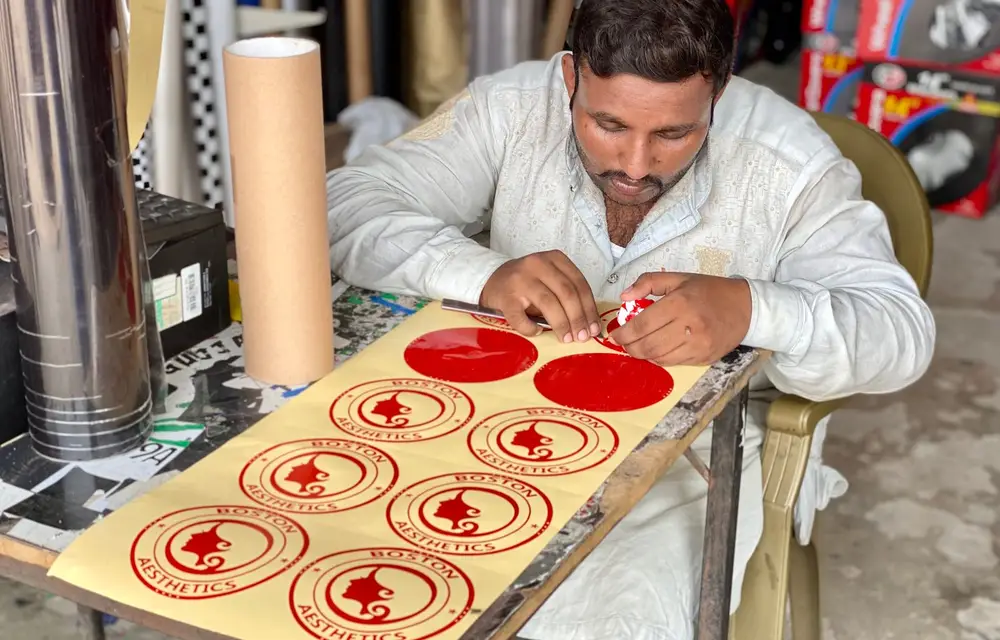
Seams
Breaks go where the body already breaks
Anything wider than the usable image width becomes two pieces whatever the artwork wanted. Past that, a break lands at a door gap, along a body line or behind a rub rail, never through a face, a logo or a line of type. Long sides take vertical seams.
- Every break dimensioned on the proof
- Vertical seams on long sides
-
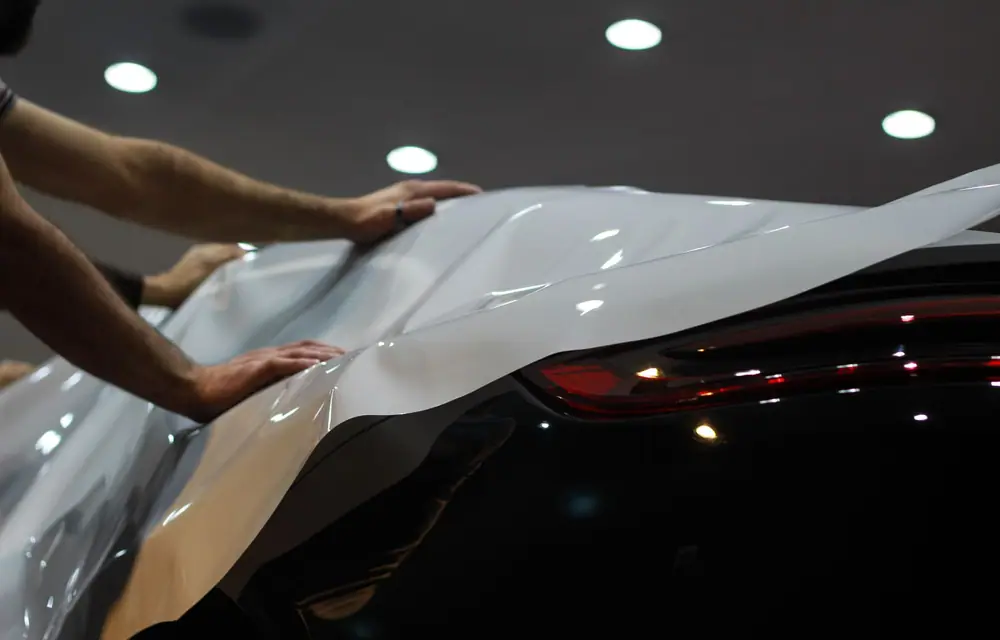
Install
Into the channel, not across it
Film is worked into a deep swage with heat and pressure rather than bridged over it, because film stretched across a channel pulls back out in the first hot week. Corrugation it cannot be forced onto at all, vinyl bridges a rib, then releases from it.
- Swages worked, never bridged
- Corrugation flagged before print
-
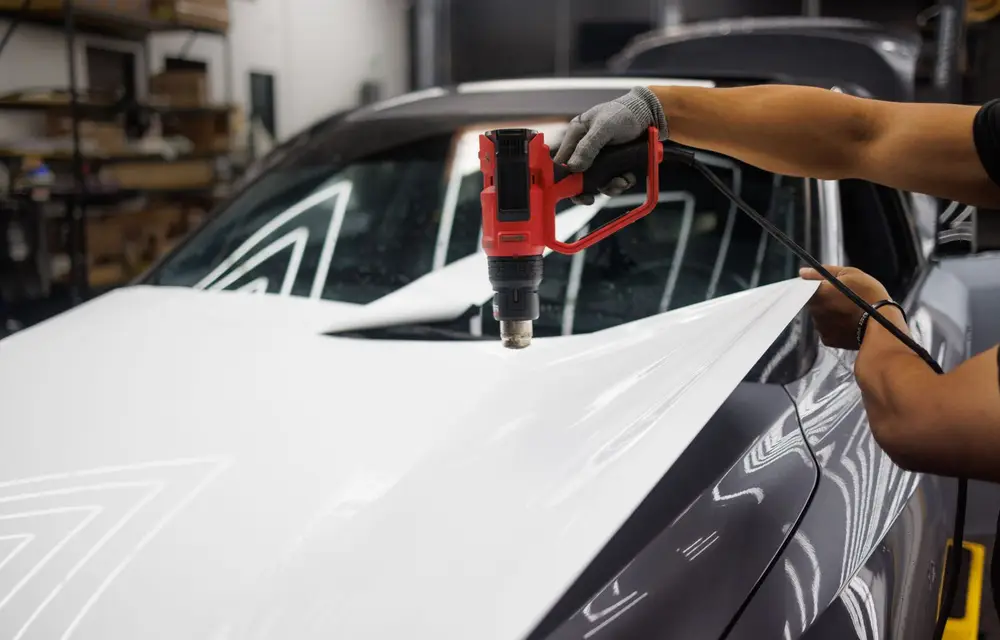
Post-heat
The step nobody sees is the one that decides it
Everywhere the film has been stretched into a channel is brought up to temperature and held there to reset it, well past anything a vehicle reaches parked in July. Post-heat is what decides whether recessed film is still down a year later, and on the day it is invisible.
- Every stretched area reset
- Held past any summer temperature
-
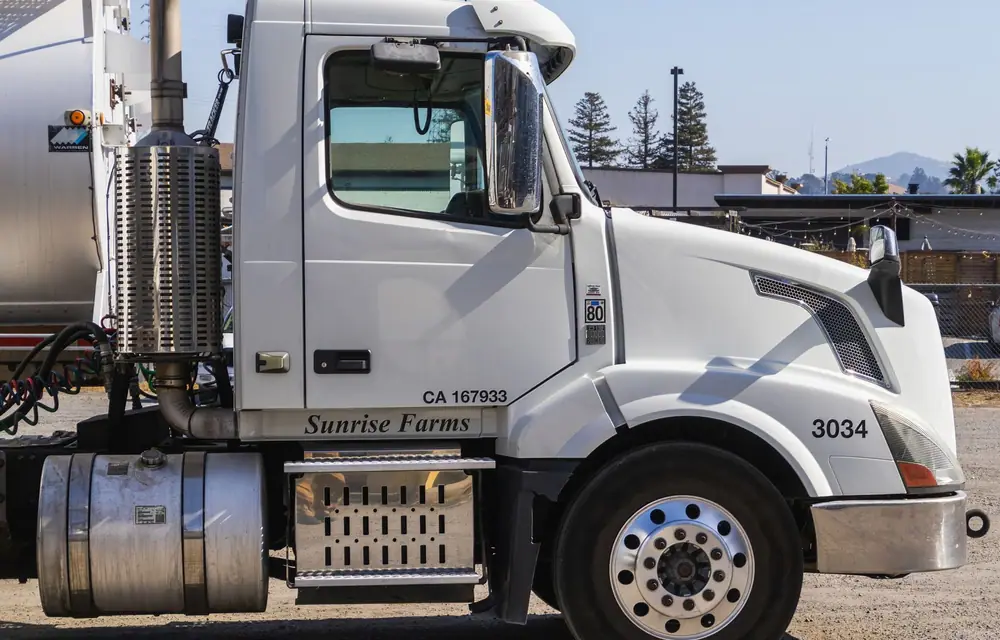
Markings
The one part an inspection has an opinion about
The federal marking rule sets a legibility standard, not a type specification: carrier name and USDOT number on both sides, sharply contrasting, readable in daylight from fifty feet. There is no letter height in it, only a distance. We cut with margin.
- 49 CFR 390.21
- A distance test, not a letter height
-
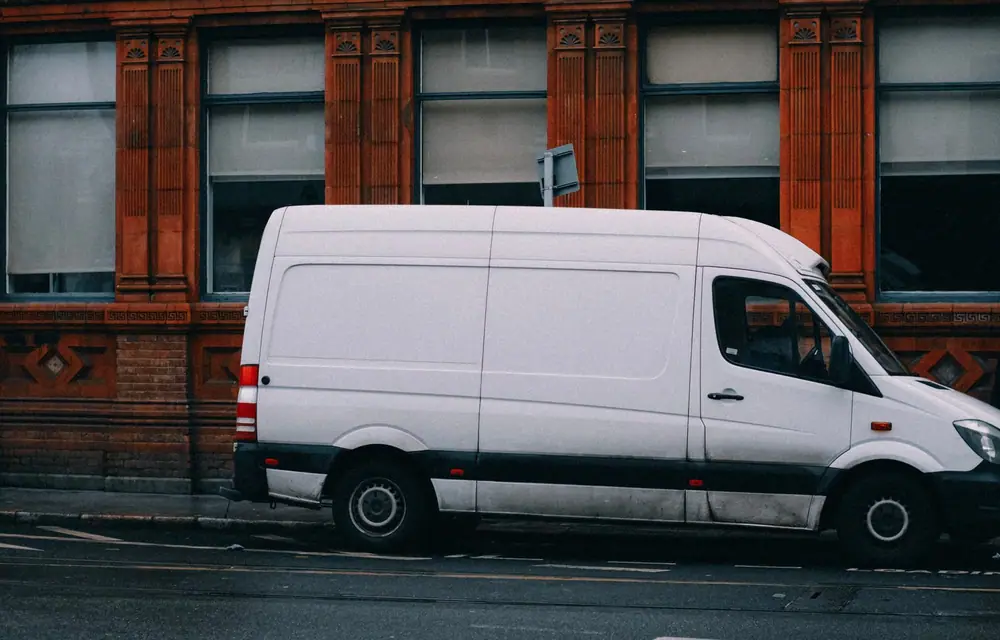
Handover
It leaves, and the adhesive is still working
Every door and panel is worked through its travel before the vehicle goes anywhere. Adhesive keeps building bond for days after that, which is why it does not go into a wash or a pressure bay on the way out.
- No wash bay on the way out
- Unit numbers stay separate pieces
Questions about how a job runs
Can anything be done for a personal vehicle?
- Design and print, yes. Install, no. Installation here is commercial and fleet work, so a personal vehicle does not get booked into the bay. What can be produced for one is the artwork and the printed film itself, ordered the way a shop orders material and fitted by whoever the owner chooses. It leaves the building as a print order rather than as an install booking, and we do not inspect the fit afterward.
Where does the work actually get done?
- In the bay in Charlotte. A fleet vehicle comes to us and stays there for the length of the job, because film needs an indoor space held at temperature to bond correctly rather than a lot, a driveway, or a loading dock. Trade orders are produced in the same building and go out by counter pickup, local delivery, or shipping.
What does a wrap or a trade order cost?
- There is no set price list on either side of the business. Cost on the fleet side depends on the vehicle, the coverage chosen, and the condition of the panels underneath it; cost on the trade side depends on the size of the run, the film, and how much design work it needs. We quote every job once the specifics are known, rather than estimate from a generic starting figure.